
When Urban Air Mobility Becomes a Utility Problem
Published 2026-02-09
The shift from aircraft hype to infrastructure-anchored operations in New York
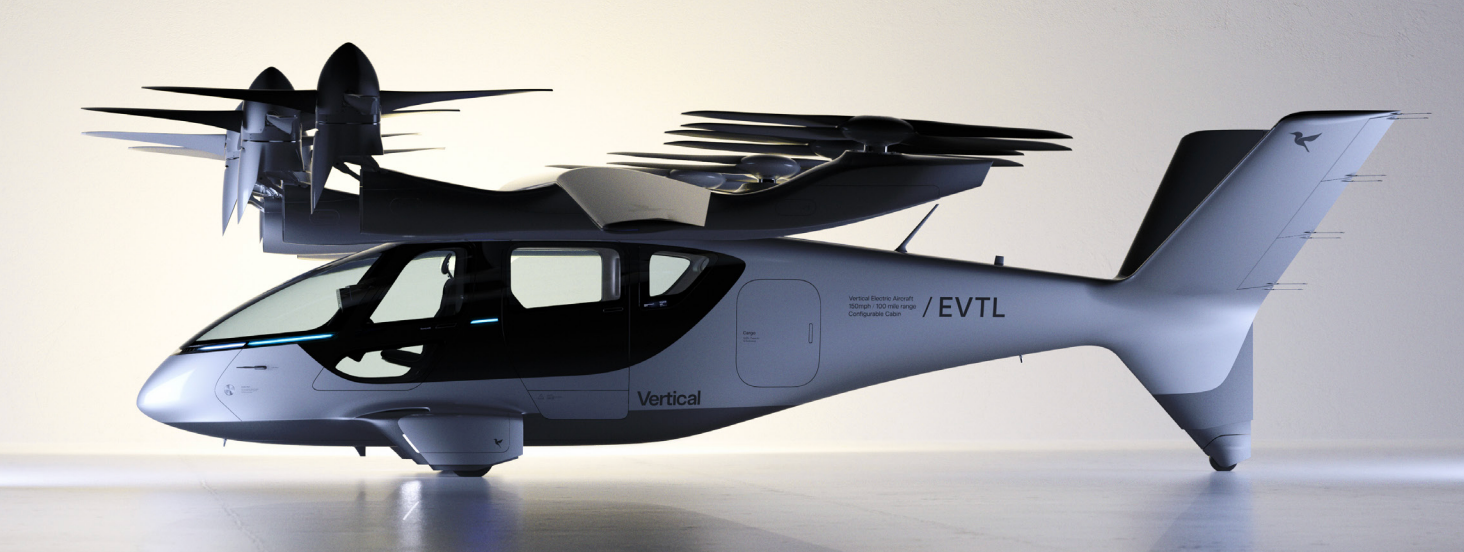
For more than a decade, urban air mobility (UAM) was framed as an aircraft problem. Coverage focused on battery energy density, rotor configurations, autonomy timelines, and speculative renderings of vertiports scattered across city skylines. Progress was measured in prototype flights and investor presentations rather than operational readiness.
As the industry enters 2026, that framing is no longer sufficient. The arrival of Vertical Aerospace's Valo aircraft in New York does not mark a breakthrough in aircraft capability so much as a transition into a more constrained phase: one defined by infrastructure reuse, regulatory alignment, grid capacity, and public tolerance. In this phase, the limiting factors are no longer theoretical performance gains, but whether electric aviation can be integrated into the physical and institutional fabric of dense metropolitan systems.
The question is no longer whether electric aircraft can fly, but whether cities are willing and able to treat aviation as a grid-bound public utility rather than a novelty transport mode.
From aircraft development to network integration
The progression from Vertical Aerospace's VX4 demonstrator to the Valo production platform illustrates this shift. The VX4 served its purpose as a technology demonstrator, validating piloted electric flight and collecting flight-test data. The Valo, by contrast, reflects a frozen architecture optimized for certification, repeatability, and high-cycle commercial operations.
This design philosophy reflects a broader reclassification of the aircraft itself. In infrastructure-anchored operations, the aircraft is no longer the primary system. It becomes a mobile node within a larger network that includes charging infrastructure, grid capacity, airspace procedures, insurance frameworks, and trained operators.
Design decisions such as a modular, under-floor battery system using cylindrical cells are less about headline performance and more about asset longevity. The ability to upgrade energy storage without recertifying the airframe reflects an assumption that infrastructure and grid evolution will outpace airframe redesign. The aircraft is designed to persist within that environment, not redefine it.
Certification as a commercial filter
The move from spectacle to routinization is reinforced by regulatory posture. Vertical Aerospace has aligned its certification strategy with the EASA and UK CAA SC-VTOL Enhanced framework, targeting a safety threshold of 10^-9 catastrophic failures per flight hour, comparable to large commercial airliners.
This standard functions less as a marketing claim than as a commercial filter. In highly regulated cities such as New York, London, or Tokyo, public tolerance for aviation risk is minimal. Certification rigor becomes a prerequisite for political and insurance viability, not merely a technical milestone.
The structured, five-phase piloted flight-test campaign now entering the critical transition-flight phase reflects this posture. Progress is measured not by publicity milestones, but by incremental expansion of the certified flight envelope under regulatory oversight.
Infrastructure as the gating factor
Nowhere is the infrastructure shift more visible than in the transformation of the Downtown Manhattan Heliport into the Downtown Skyport. Rather than proposing new vertiport construction, operators are repurposing an existing facility that already handles tens of thousands of annual helicopter movements.
This reuse strategy reduces permitting friction and political resistance, but it also imposes constraints. Existing footprints define throughput limits. Existing utility connections define charging capacity. Existing communities define noise tolerance thresholds. In this model, infrastructure does not adapt to the aircraft; the aircraft adapts to the infrastructure.
The Downtown Skyport's evolution also highlights a broader reframing of urban aviation facilities, from isolated landing pads to multi-modal logistics nodes.
Multi-modal integration and public legitimacy
The integration of electric aviation with New York City's Blue Highway maritime freight initiative illustrates how UAM projects are seeking legitimacy beyond premium passenger transport. By combining barge-based freight delivery, transloading, and cargo-bike distribution, the skyport becomes part of a congestion-reduction strategy rather than a standalone luxury service.
Federal participation, including a U.S. Department of Transportation MARAD grant, reinforces this framing. The facility is positioned not merely as an air taxi hub, but as infrastructure with broader public utility value. This framing matters. Without it, community resistance and political scrutiny would likely cap operations before scale is reached.
Grid capacity as the primary bottleneck
If any constraint threatens to slow UAM scaling, it is electrical infrastructure. High-frequency operations, dozens of flights per aircraft per day, translate directly into concentrated charging demand at waterfront sites already embedded in dense urban grids.
At locations like Pier 6, the viability of electric aviation depends on utility upgrades, load balancing, and coordination with residential demand. Concession agreements increasingly place responsibility for these upgrades on operators, effectively making grid investment a prerequisite for market entry.
In this phase, aircraft readiness may outpace infrastructure readiness. Without high-voltage throughput and managed charging logic, even certified aircraft remain grounded.
Demand geography and routinized routes
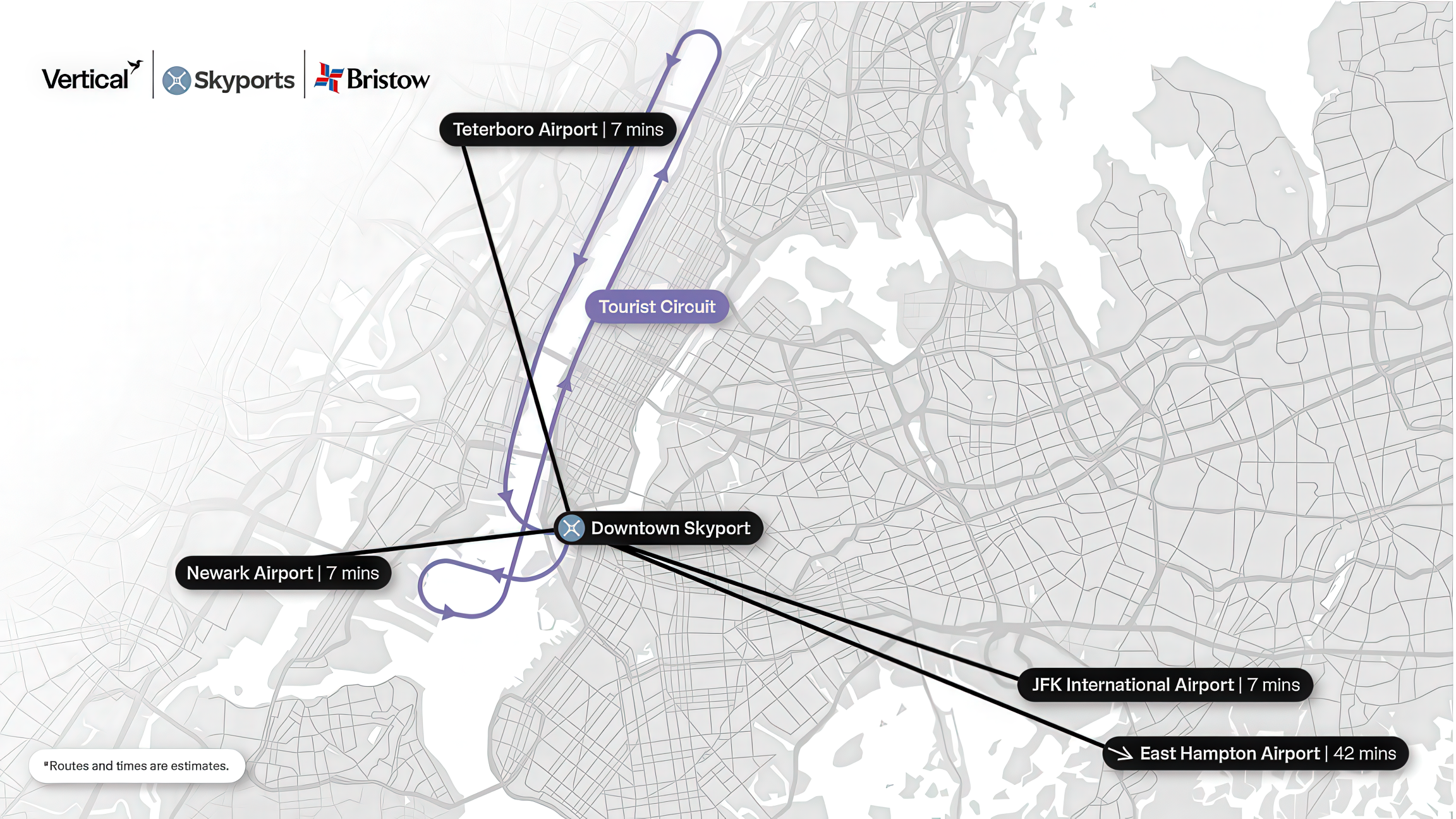
The route networks emerging around the Downtown Skyport reflect a pragmatic approach to demand. Rather than broad urban coverage, operators are targeting corridors where ground travel time is unpredictable and productivity gains justify a premium.
Airport transfers, cross-Hudson routes, and event-driven surges such as travel to MetLife Stadium during the 2026 FIFA World Cup serve as stress tests for operational reliability. These routes are less about novelty than about validating scheduling, turnaround times, and integration with existing transport platforms.
In this context, the often-cited Uberization of air travel depends less on consumer enthusiasm and more on whether air mobility can be embedded into existing booking, insurance, and operational systems without friction.
Noise, insurance, and institutional tolerance
Community acceptance remains a hard boundary. While electric aircraft promise substantial noise reductions relative to conventional helicopters, the difference between theoretical quietness and operational silence is decisive. Flight paths, approach procedures, and schedule discipline matter as much as decibel measurements.
Insurance markets introduce a parallel constraint. With limited actuarial data for high-cycle battery systems, insurers continue to favor piloted operations and established operators. Partnerships with firms such as Bristow Group signal a migration of UAM into professional aviation silos, where safety management systems, maintenance discipline, and liability frameworks already exist.
Autonomy, in this context, is not delayed by technology alone, but by institutional readiness.